
Muscle Recovery Basics
- Sleep 7 to 9 hours per night
- Consume 1.6 to 2.2 grams of protein per kilogram of body weight daily
- Eat 20 to 40 grams of protein plus carbs within 30 to 60 minutes post-workout
- Rest a muscle group for 48 to 72 hours before working it again
- Do 10 to 20 minutes of light movement for active recovery on rest days
Muscle recovery is where your training pays off. It’s the phase where your body repairs tissue, refuels energy stores, and adapts so you can come back stronger next session. If you want better workouts, more consistent progress, and fewer days where you’re feeling beat up, recovery habits matter just as much as your sets and reps.
Due to the importance of smart recovery, take a moment to review our guide to the main signs you need to adjust your recovery efforts and how to improve your muscle recovery routine.
7 Signs You Need to Prioritize Muscle Recovery
Your body has plenty of ways to tell you that you need rest. By paying attention to these signs, you can reduce your risk of injury while also helping your body repair muscle tissue more effectively. The primary overtraining symptoms to watch out for include:
-
Soreness that lingers longer than usual
Normal muscle soreness tends to ease within a few days. When soreness keeps hanging around, recovery may be falling behind the training stress.
-
Strength dropping for multiple sessions in a row
If weights that were manageable start feeling heavy, your muscles and nervous system may still be carrying fatigue.
-
Sleep getting worse instead of better
Trouble falling asleep, waking often, or feeling unrested can show your body is staying in a higher-stress state.
-
You feel flat during warm-ups
A warm-up usually wakes the body up. If you never feel ready, your system may need a lower-stress day.
-
Higher resting heart rate or getting winded more easily
A sustained uptick can be a sign your body is working harder to handle normal effort.
-
Nagging aches that keep popping up
Small joint or tendon hot spots can appear when load stacks faster than tissues can rebuild.
-
Mood and focus slipping
Irritability, brain fog, and low focus can be early signals that sleep, fuel, and rest are not keeping up.
Why Should You Prioritize Muscle Recovery?
Recovery helps your body rebuild muscle tissue, restore energy, and reset your nervous system so you can train consistently and keep progressing.
When your muscle recovery routine is dialed in, you’re more likely to show up feeling capable instead of depleted. You’ll be more likely to see better performance in the gym, smoother week-to-week consistency, and fewer weeks where fatigue drags everything down.
What Helps With Muscle Recovery? 8 Tips for Maximizing Muscle Recovery After Workouts
If you want to improve your post-workout recovery routine, you have plenty you can do to support your muscles’ recovery after workouts. Before you hit the gym again, learn more about how to maximize muscle recovery below:
1. Protect Your Sleep Like It’s Part of the Program
Adults need 7 to 9 hours of sleep per night for muscle repair, and consistent sleep timing matters more than any single long night. Sleep supports muscle repair, helps regulate recovery-related hormones, and gives your nervous system a true reset. It also helps restore glycogen (essentially, glycogen is the fuel your muscles use when you train at a high intensity), which matters when you train hard or train often.
Poor sleep can make soreness feel louder and workouts feel heavier, even when your program looks great on paper. In a 2020 study on sleep restriction and muscle-building signaling, for instance, the researchers found that short sleep reduced myofibrillar protein synthesis, a key process tied to muscle repair and growth.
How to Implement:
- Set a consistent wake time, and build your bedtime from there.
- Keep the room cool and dark, and dim screens during your wind-down.
2. Hit a Daily Protein Target, Then Spread It Across the Day
Muscles rebuild from a steady stream of amino acids, not a single post-workout shake.
Consistent protein supports repair between sessions and makes it easier to maintain lean mass during demanding training weeks. Total daily intake matters most, and spreading protein across meals helps you hit that target without forcing it all at dinner.
Aim for 1.6 to 2.2 grams of protein per kilogram of body weight daily, split across 3 to 5 meals of roughly 0.4 g per kg each. A 175-pound lifter needs about 125 to 175 grams per day.
For a concrete example of protein’s importance, a 2018 meta-analysis on protein supplementation with resistance training found protein improved strength and muscle gains, with benefits tapering at higher intakes.
How to Implement:
- Include a protein source at each meal, and add a high-protein snack if needed.
- Aim for a protein-forward meal within a couple of hours after training.
- Pick repeatable staples you like, and keep them stocked.
3. Replace Carbs After Hard Training, Especially After Leg Day
Carbohydrates help restore muscle glycogen. When glycogen runs low, workouts can feel sluggish, and recovery between sessions can drag. Carbs also pair well with protein because refueling supports the overall rebuilding process.
The research points in the same direction. A 2020 meta-analysis on carbohydrate and protein co-ingestion after exercise reported higher glycogen synthesis rates in scenarios where protein was added on top of adequate carbs.
After hard training, eat 0.7 to 1.0 grams of carbohydrates per kilogram of body weight within 30 to 60 minutes. For a 175-pound person, that’s 55 to 80 grams, which is roughly one cup of cooked rice or a large banana with oats.
How to Implement:
- Pair protein with a carb after tough sessions, like rice, potatoes, oats, fruit, or pasta.
- If you train again within 24 hours, plan for carbs earlier in the day.
- Choose easier-to-digest carbs after training, and push higher fiber to later meals.
4. Rehydrate With Enough Fluid and Electrolytes
Hydration supports circulation, nutrient delivery, and temperature regulation, which all influence how you feel during recovery. If you sweat heavily, plain water may fall short because sodium helps your body retain fluids.
Electrolytes can also reduce the chance you finish the day under-recovered after a hot or long session. For example, a 2020 study on rehydration found that an oral rehydration solution improved fluid balance compared with water after exercise-induced dehydration.
How to Implement:
- Use urine color as a quick check, and aim for pale yellow.
- After sweaty sessions, add sodium through electrolytes or a salty meal.
- Start hydrating earlier in the day when heat, humidity, or long workouts are on the schedule.
5. Use Active Recovery to Keep Your Body Moving Without Adding More Stress
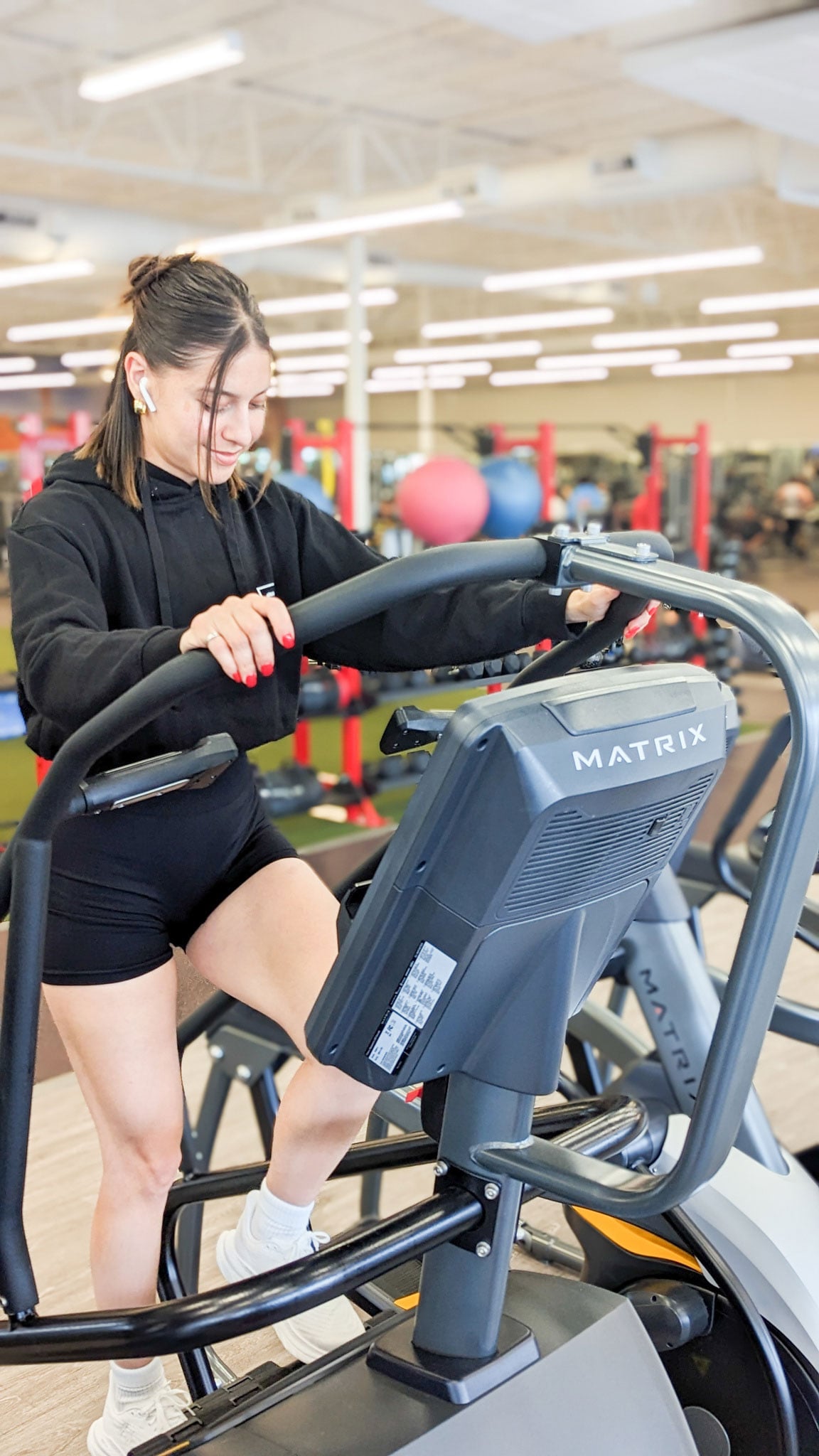
Active recovery should be a part of your workout routine, as light movement increases circulation and can reduce the stiff, creaky feeling that shows up after hard training.
A short, easy session can help you maintain range of motion without adding much stress. When you implement active recovery correctly, you’ll usually feel better when you finish instead of feeling drained.
A 2019 systematic review of active recovery interventions also supports its importance, as the review found consistently positive performance outcomes in studies that used short active recovery bouts.
How to Implement:
- Add 8 to 12 minutes of easy cycling, incline walking, or rowing after lifting.
- On rest days, take a brisk walk and keep the intensity conversational.
- If soreness is high, choose gentle mobility work plus easy movement.
6. Plan Rest Days and Lighter Weeks So Fatigue Doesn’t Pile Up
Rest days allow muscles, joints, and your nervous system to adapt so you can keep training with good output and good form. Lighter weeks can also help when life stress is high, since stress still affects recovery even when it’s not coming from the gym.
Allow 48 to 72 hours between hard sessions targeting the same muscle group. Every 4 to 8 weeks, take a deload week by cutting volume 40 to 50 percent while keeping intensity moderate.
How to Implement:
- Schedule at least 1 to 2 lower-stress days per week.
- Every 4 to 8 weeks, consider a lighter week by reducing volume, load, or both, adjusting sooner when multiple signs you need more rest show up at once.
7. Use Foam Rolling or Massage as a Support Tool, Not a Fix
Soft tissue work can reduce the sensation of soreness and improve the short-term range of motion, which makes movement feel easier while you recover.
Many people also find foam rolling helps them downshift after training and relax overall tension. While foam rolling can’t replace sleep or nutrition, it can make recovery feel smoother and help you stay consistent.
How to Implement:
- Foam roll tight areas for 1 to 2 minutes each, then do a few controlled mobility reps.
- Keep pressure tolerable so you don’t tense up and make it worse.
- If you get a massage, keep it lighter after very hard sessions, and save deep work for easier weeks.
8. Choose Heat or Cold Based on Your Goal That Day
Cold strategies can reduce soreness and help you feel more comfortable quickly, which can be useful during hard training blocks. For example, a 2023 meta-analysis found cold water immersion improved soreness and fatigue recovery measures after high-intensity exercise in many contexts.
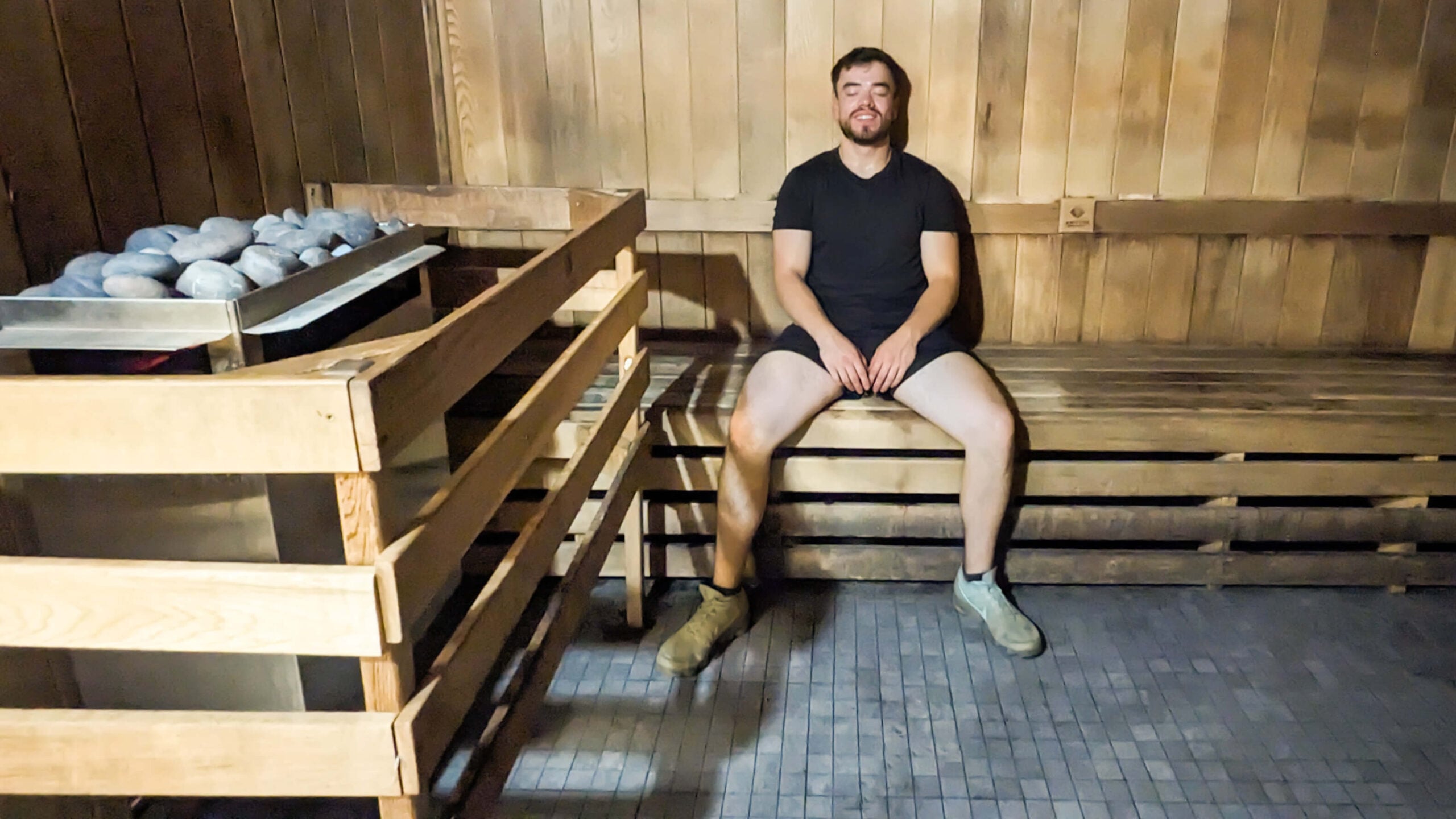
Heat can also help when muscles feel tight and heavy, and it often supports relaxation before easy movement. Research on heat therapy suggests it can accelerate recovery of fatigue resistance after eccentric exercise, which is the kind of training that often creates the most soreness.
How to Implement:
- Choose cold when soreness is the priority and you want quicker relief.
- Choose heat when stiffness is the main issue, especially later in the day.
- Keep either option short and consistent.
How Long Should You Expect to Be Sore If You Prioritize Proper Muscle Recovery?
Most soreness follows a predictable rhythm. Good muscle recovery habits can support sore muscles recovery and muscle soreness relief, even when the training week is busy.
Delayed onset muscle soreness often starts 12 to 24 hours after training, peaks around 24 to 72 hours, and fades over the next few days. If you’re new to lifting, returning after time off, or adding a new movement, soreness can last closer to a week.
As your body adapts to consistent training, soreness tends to feel less intense and resolve faster. Over time, steady post-workout recovery habits also support muscle recovery after workouts by helping you bounce back more smoothly.
| Workout Intensity | DOMS Onset | Peak Soreness | Full Resolution |
|---|---|---|---|
| Light session | 12-24 hours | 24 hours | 24-48 hours |
| Moderate session | 12-24 hours | 24-48 hours | 3-4 days |
| Hard or novel session | 24-48 hours | 48-72 hours | 5-7 days |
| Return after time off | 24-48 hours | 48-72 hours | Up to 7-10 days |
Frequently Asked Muscle Recovery Questions
Does Sauna Help With Muscle Recovery?
Yes. Sauna sessions of 15 to 20 minutes at 150 to 195°F after training increase circulation, elevate heart rate similar to moderate cardio, and stimulate heat shock proteins that support muscle repair. A 2015 study on post-exercise sauna use found improved endurance performance after 3 weeks of 4 sessions per week.
How to use a sauna for recovery:
- Wait 10 to 15 minutes after finishing your workout
- Sit for 15 to 20 minutes, hydrate before and after
- Aim for 2 to 4 sessions per week for cumulative benefit
- Skip the sauna if you’re already dehydrated or lightheaded
Every Defined Fitness location includes a dry sauna and steam room, both included with standard membership.
How Long Does Muscle Recovery Take?
Most people feel soreness peak 1 to 3 days after training, then ease by day 5 to 7, but performance can rebound sooner depending on intensity.
Should I Work Out When Sore?
If soreness is mild, training can be fine with lighter loads or a different muscle group. If soreness is intense or sharp, choose recovery-focused movements.
How to Recover After Leg Day?
Refuel with carbs and protein, hydrate well, and add light movement like walking or easy cycling. A little mobility work helps your hips, knees, and ankles feel normal again.
Why Am I So Sore After Working Out?
Soreness is often higher when you train a movement you’re not used to, increase volume quickly, or emphasize slow lowering phases. Consistency usually reduces how dramatic soreness feels.
What Helps Sore Muscles Fastest?
Time is still the biggest factor, and sleep, hydration, and a solid meal with protein and carbs support the process. Those basics are also the core of post-workout recovery for sore muscles and muscle soreness relief. Light movement and soft tissue work can improve comfort.
Is Stretching or Foam Rolling Better for Muscle Recovery?
Stretching can help you feel looser, and foam rolling has stronger evidence for improving range of motion and reducing soreness slightly. Many people do best using both.
Is Heat or Cold Better for Muscle Recovery?
Cold tends to help when soreness is the priority, especially within the first 24 to 48 hours. Heat can be better for stiffness and may support certain recovery processes after eccentric training.
Do Rest Days Matter for Muscle Recovery?
Yes. Rest days help your muscles and nervous system recover so you can train hard again without stacking fatigue on fatigue.
How Often Should Beginners Lift for Optimal Muscle Recovery?
A common starting point is 2 to 3 non-consecutive strength sessions per week, so each muscle group has time to recover between workouts.
Prioritize Muscle Recovery at Defined Fitness
If you’re looking for a gym that prioritizes muscle recovery in Albuquerque, Santa Fe, or Rio Rancho, New Mexico, Defined Fitness is here to help. When you visit one of our gyms, you’ll have plenty of amenities you can use to improve muscle recovery. For example, our HydroMassage lounges, steam rooms, and saunas can all support your recovery, and you can always use our cardio equipment for active recovery.
Review our membership options and amenities for muscle recovery today.