
Key Takeaways
- GLP-1 medications can help with weight loss on their own, but workouts add benefits that go beyond what the medication can deliver
- Strength training helps you hold onto more lean mass and strength as you lose weight, which supports how your body looks, feels, and performs during the process
- A realistic baseline of two strength sessions per week can build momentum, and you can layer in cardio like walking, cycling, swimming, or classes as your energy and schedule allow
Though GLP-1 medications can help people lose weight without exercise, it’s best to stick to a workout plan while you take them. By working out, you can prevent muscle and strength loss, support your energy levels, and make weight-loss results easier to maintain long-term.
If you’re on the fence about working out while taking GLP-1 meds, take a moment to review our guide to exercise and GLP-1s.
Can I Lose Weight with GLP-1 Without Exercising?
Since GLP-1 meds reduce appetite, many people lose weight on them without exercising. However, exercise can help you preserve muscle and develop habits that support long-term weight loss.
GLP-1s can make it easier to eat fewer calories by increasing fullness and reducing food cravings. If workouts are not part of your routine yet, you can still make progress by focusing on consistent meals, hydration, and daily movement.
When you’re ready to add exercise, start with strength training first. Lifting sends a clear signal that muscle is still needed, which is especially helpful during active weight loss.
Why Am I Losing Muscle While on GLP-1?
GLPs can cause a significant amount of lost muscle. For example, a research article found that 25% to 39% of the total weight lost while taking GLP-1s comes from muscle mass.
Most of the time, the loss of muscle mass on GLP-1s happens because you’re eating fewer calories overall. As a result, you’ll usually take in less protein and fewer carbohydrates than normal, meaning your body has less fuel and fewer building blocks to maintain muscle. If you’re losing weight quickly and aren’t strength training, your body has fewer reasons to hold onto muscle.
Strength training can shift that story. Even two to three sessions per week can help you maintain muscle, improve your movement, and keep your progress feeling sustainable.
Do I Need to Exercise on GLP-1?
You’ll likely lose weight on GLP-1s without working out, but exercise helps you in ways the medication can’t.
While you take a GLP-1, strength training can support muscle and performance, cardio can improve heart health and stamina, and both can improve daily energy and mood.
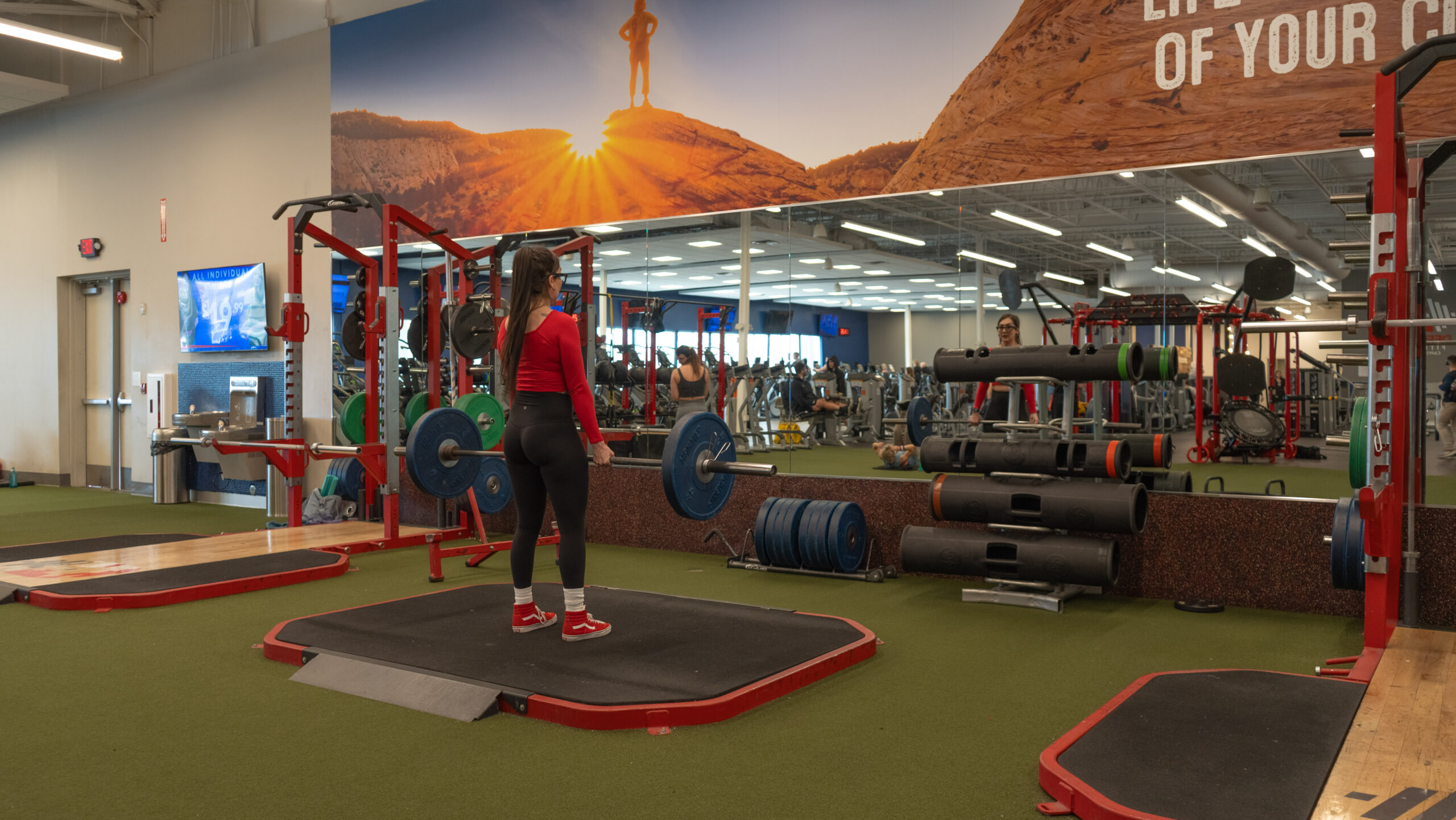
A balanced goal works well for many people. Aim for two strength sessions per week, then add walking, cycling, swimming, or classes as your schedule and recovery allow. If you’re brand new to training, start with shorter sessions to get into a routine before you increase their length.
Why Strength Training Is Better for Weight Loss Than Cardio While Taking GLP-1s
Strength training is a great foundation for GLP-1s because it supports muscle retention, helps you feel capable in your body, and can make weight loss look and feel healthier.
Review some of the most common benefits of lifting while taking GLP-1s below:
- Strength training helps protect muscle during weight loss: When your weight drops, your body can lose both fat and lean tissue. Lifting gives your body a reason to keep more muscle as you get leaner.
- Strength supports a higher resting calorie burn: Muscle is metabolically active tissue, meaning it needs calories to maintain itself. Adding or maintaining lean mass can nudge your resting calorie needs upward over time, which can help with weight loss.
- Strength training improves how you move day to day: Building stronger legs, hips, and core can make walking, stairs, and workouts feel smoother. All of these benefits can increase your motivation to lose weight and exercise.
- Strength training supports bone health: As you lose weight, your bones get less day-to-day loading from carrying body weight. Resistance and weight-bearing work give your bones a reason to stay strong, supporting bone health while you lose weight.
Despite strength training being more important while you take GLP-1s, cardio still belongs in your exercise plan. A smart approach is to treat strength as the anchor, then add cardio in a way that supports recovery and fits your energy.
FAQs about GLP-1’s and Exercise
What Strength-Training Exercises Should I Do When Taking GLP 1s?
Choose full-body strength exercises that train major muscles, and you’ll cover the basics of strength training with less guesswork.
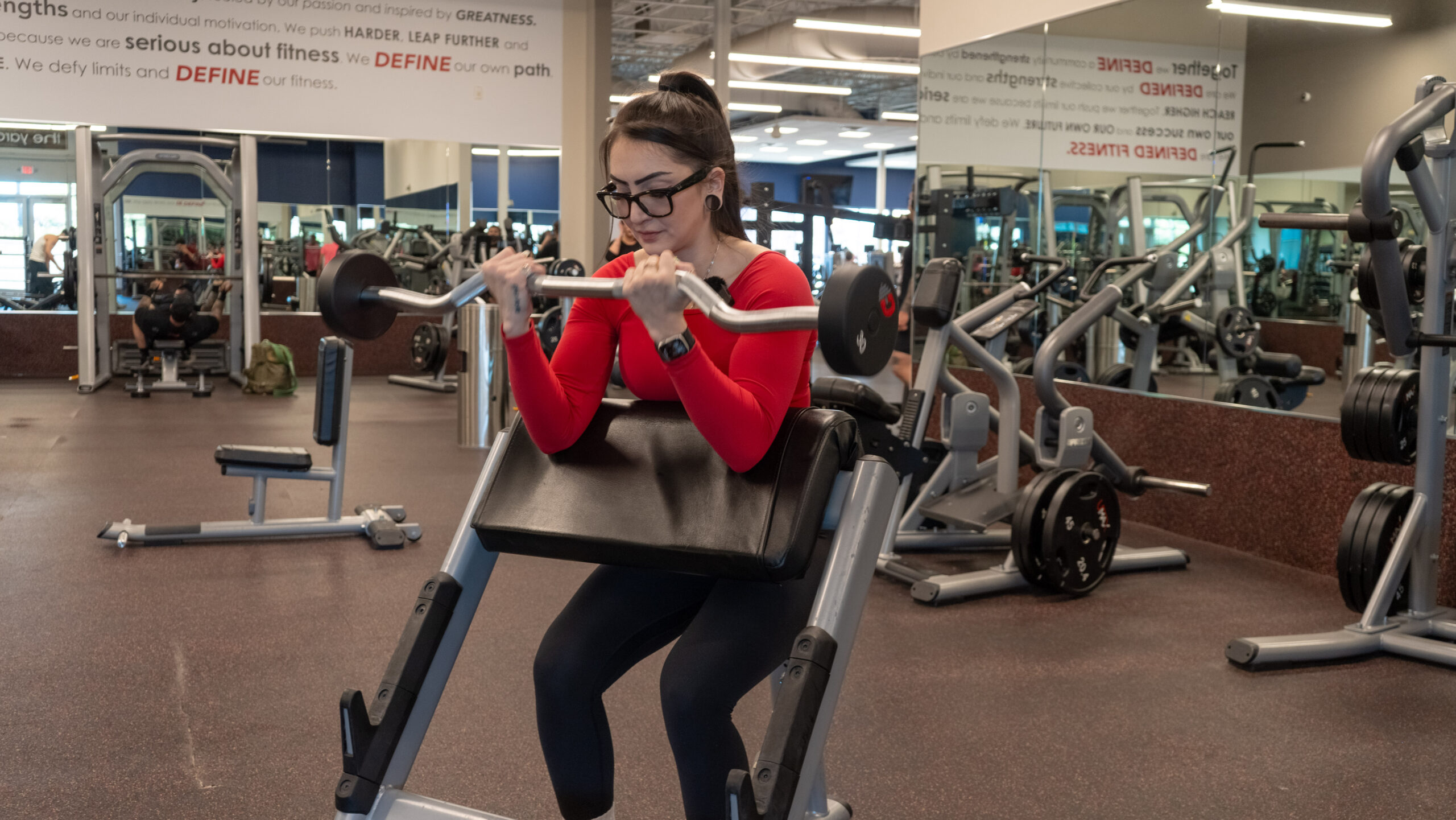
A simple, effective structure is to pick 4 to 6 moves per workout and repeat them twice per week, increasing weight or reps over time. Great options include squats or leg press, deadlift or Romanian deadlift, rows, bench press or chest press, lat pulldowns, and a core move like planks or Pallof presses.
If you’re new to lifting, machines can feel approachable while you learn proper form. A trainer can also help you match exercises to your comfort level, your goals, and any movement limitations.
Do I Need to Work Out on Ozempic?
Exercising on Ozempic is not a requirement for weight change, but it’s a strong add-on for maintaining muscle and feeling good as your body composition shifts.
Do I Need to Exercise on Semaglutide?
Exercising on Semaglutide can help you keep muscle, build strength, and support long-term consistency, even if the medication is already helping you eat less.
Does Exercise Increase GLP-1?
Yes, exercise can temporarily increase GLP-1, and it can also shift other appetite and fullness signals in a direction that supports satiety.
GLP-1 is a hormone your gut releases, especially after you eat. It helps your brain register fullness, and it supports how your body handles blood sugar. GLP-1 medications work by mimicking this signal, and exercise can help boost your body’s natural GLP-1 response for a short window.
Why does that matter? When your fullness signals are stronger, it can feel easier to stick to a nutrition plan that fits your goals. Exercise is not a replacement for GLP-1 medication, and it won’t create the same effect as a prescription, but some workouts may give you a small, temporary lift in satiety signals.
Can You Build Muscle While on GLP-1?
You can build muscle while on a GLP-1, especially if you’re newer to strength training, and you’ll usually do best with progressive lifting and enough protein.
Many people focus on maintaining muscle during active weight loss, then shift to a more muscle-building phase later. Either way, training with intention helps, and small strength gains still matter for how you look, feel, and move.
Is GLP-1 and Running a Good Combination?
GLP-1 and running can pair well for cardiovascular fitness, and most people do best when running is balanced with strength training and steady recovery.
If you’re building a routine, keep runs easy at first and add time gradually. Strength training twice per week can also support your joints and help you feel stronger on runs.
Hydration and fueling also matter. If you notice low energy, dizziness, or trouble finishing workouts, check in with your prescribing clinician and consider adjusting your plan.
Begin Your Strength-Training Journey at Defined Fitness
If you’re taking GLP-1s and are looking for a gym where you can strength train in Albuquerque, Santa Fe, or Rio Rancho, New Mexico, Defined Fitness is ready to welcome you to one of our clubs. With many pristine workout machines, free weights, and amenities, you can expect to find everything you need to build strength while losing weight at our clubs.
Learn more about our membership options, and review our club locations to find one near you today!