

Key Takeaways
- Lifting straps are workout accessories made out of fabric or leather that wrap around your wrists and the bar to support grip strength during heavier pulling exercises.
- The top 3 types of straps are loop straps, figure 8 straps, and closed-loop straps, with each type supporting different exercises and training goals.
- Using lifting straps are best for heavy lifting exercises and when grip fatigue limits a muscle-targeted workout. Avoid using them for every pulling movement and when warming up, trying to improve natural grip strength, or preparing for certain competitions.
- Proper lifting strap technique includes 6 steps: threading the loop, correct wrist positioning, approaching the bar, correct wrapping, tightening the grip, and confirming the tension is secure and safely comfortable.
- Small strap adjustments improve performance for exercises like deadlifts, heavy rows, lat pulldowns, dumbbell rows, and shrugs. Avoiding mistakes like incorrect wrapping direction, too-loose straps, using straps too early, and not checking for a comfortable release if you need it are key for a safe and fun workout.
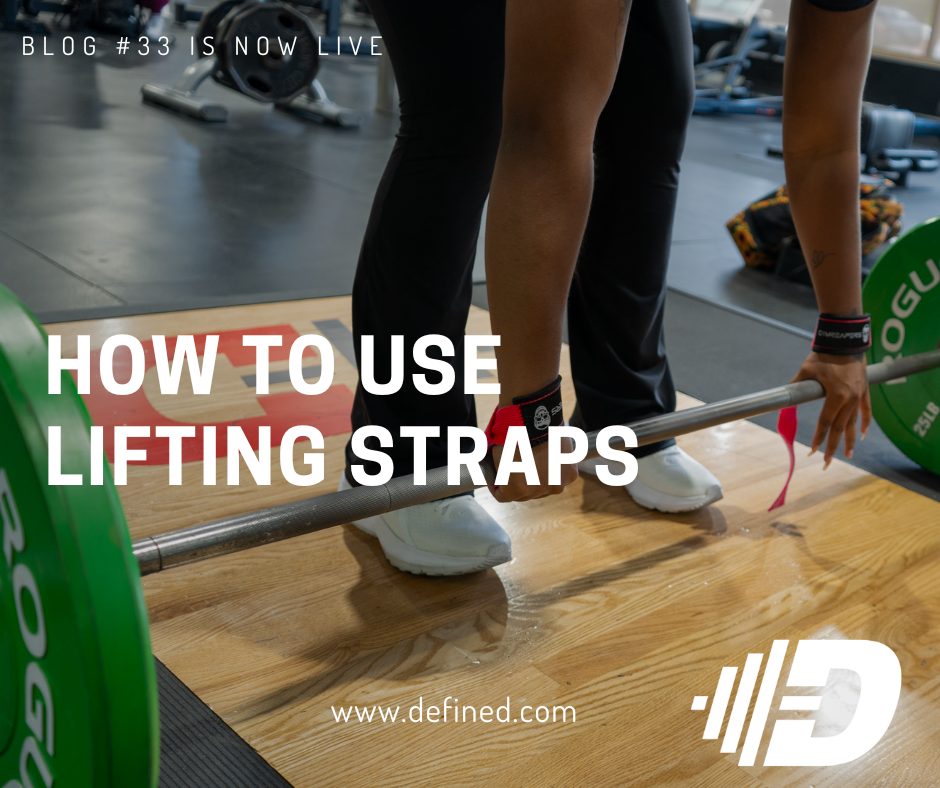
Don’t let grip fatigue end a pulling workout before your back and shoulders are fully challenged – that’s where lifting straps can help! Lifting straps are fabric or leather training accessories designed to reinforce your grip during pulling exercises like deadlifts, rows, shrugs, and lat pulldowns. They wrap around your wrist and the bar you’re using to help you hold weight more securely during heavier or higher-volume sets.
Learning how to use lifting straps in a gym can help you feel more confident and secure during pulling exercises. Practicing proper lifting strap technique keeps you focused on muscle targets while avoiding common setup mistakes that reduce stability and control.
Main Types of Lifting Straps
There are a few common types of lifting straps used in strength training. Understanding the differences makes it easier to choose the right option for your workouts and training goals.
Loop Straps
Loop straps, also called lasso straps, are the most common option and best starting point for beginners. One end forms a loop around the wrist, while the longer tail wraps around the barbell or dumbbell handle.
These straps work well for deadlifts, rows, pulldowns, and other resistance training exercises because they are adjustable and easy to release between sets.
Figure 8 Lifting Straps
Figure 8 lifting straps create a more locked-in connection to the bar you’re using. They are commonly used during very heavy pulls because they significantly reduce grip strain.
Lifters often use figure 8 lifting straps for max-effort deadlifts or strongman-style training. Because releasing the bar quickly is harder, these straps are less versatile for more general gym workouts.
Closed-Loop Straps
Closed-loop straps are shorter and designed for quicker movement transitions like pull-ups and clean/snatch pulls. Often best for Olympic-style training, lifters prefer them when they need faster bar releases during explosive lifts.
Many athletes using this style only wrap the bar once to maintain safer release mechanics during dynamic pulling movements.
When You Should (and Shouldn’t) Use Lifting Straps
Lifting straps are great tools, but are not made for all exercises. Understanding when it’s best to use them can help you get maximum value from your training.
When to Use Lifting Straps
Lifting straps are most useful when grip fatigue becomes the main limiting factor before your target muscles are fully worked. Your forearms and grip naturally fatigue faster than larger pulling muscles like the lats, traps, and upper back.
Good times to use lifting straps:
- Heavy deadlift variations
- Romanian deadlifts
- Heavy rows
- High-volume back workouts
- Shrugs
- Lat pulldowns
- Heavy accessory exercises after primary lifts, when grip is feeling tired or weak
Many people save straps for their heaviest sets instead of using them immediately. This approach still allows grip development during warm-up sets and lighter training.
Straps can also improve training quality during exercises like trap bar deadlift workouts or during a structured pull day training routine focused on back muscle development.
When Not to Use Lifting Straps
Straps work best when paired with strong lifting fundamentals and continued grip training, but should not replace these important layers to your workout.
Avoid relying on lifting straps:
- During warm-up sets
- For every pulling movement
- When actively trying to improve grip strength
- During competition prep that restricts strap use
- Before learning proper bar grip mechanics
Coaching Tip: A beginner learning how to use lifting straps should still spend time building natural grip strength. Also, straps are a great training tool, but don’t accidentally use them as a shortcut around proper technique.
How to Use Lifting Straps: Step-by-Step Technique
Correct lifting straps technique helps create a secure connection to the bar you’re using while still allowing safe release if needed.
-
Step 1: Thread the Loop
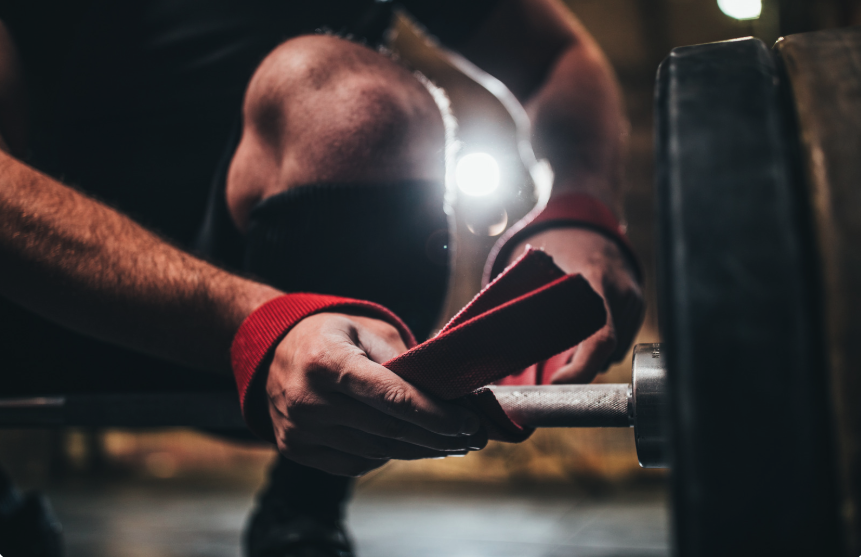
Insert your hand through the strap loop and pull it tight around the wrist. The strap tail should run across the palm, near the space between the thumb and index finger.
-
Step 2: Position on Wrist
Place the strap high on the wrist rather than bunching it into the palm. A secure wrist position creates better leverage and prevents slipping during heavy pulls.
-
Step 3: Approach the Bar
Set your grip width before wrapping the straps. Keep your hands fully positioned on the bar so the straps tighten evenly once wrapped.
-
Step 4: Wrap Under and Over
Feed the strap underneath the bar first, then wrap it over the top. Wrap the lifting straps toward your body so they tighten naturally as you pull.
-
Step 5: Throttle Grip to Tighten
Next, rotate the bar into your hands, as if you were revving a motorcycle throttle. This motion tightens the strap around the bar and improves grip security.
-
Step 6: Confirm Security
Finally, before lifting, test the tension by lightly pulling upward. The straps should feel secure without completely trapping your hands on the bar.
How to Use Lifting Straps for Specific Exercises
Different exercises require slightly different strap positioning and tension levels.
Deadlifts
For a lifting straps deadlift setup, tighten the straps fully before starting the pull. Many lifters prefer loop straps or figure 8 lifting straps for heavy deadlift work because they reduce grip fatigue during top-end sets.
Heavy Rows
Keep your wrists neutral and avoid over-gripping the bar once the straps are secured. Rows benefit from straps because they reduce forearm fatigue and help maintain upper-back tension throughout each movement.
Lat Pulldowns
Keep the straps slightly looser than you would for deadlifts so the pulldown handle can move more comfortably and naturally throughout the longer range of motion. During higher-rep training, using lifting straps for lat pulldowns is a great way to improve back muscle engagement.
Dumbbell Rows
Secure the lifting strap around the handle before hinging into the row position so you are not adjusting grip mid-set. Exercises like single-arm rows pair well with foundational dumbbell exercises for beginners when building early pulling strength and coordination.
Shrugs
Lift the shoulders straight up and lower them under control instead of rolling them forward or backward during the pull movement. Because trap strength often outpaces grip endurance quickly, shrugs are one of the most beneficial exercises for lifting strap use.
Common Lifting Strap Mistakes & How to Avoid Them
To avoid feeling unstable or uncomfortable during training, be mindful of these top mistakes when using lifting straps in the gym.
-
Mistake 01
Do Lifting Straps Go Over or Under the Bar?
Lifting straps should always wrap under the bar first, wrapping toward you, then over the top of the bar. This allows the strap to tighten naturally as tension increases during your pulling exercise. Wrapping away from your body usually causes the strap to loosen during pulling exercises.
-
Mistake 02
Leaving the Strap Too Loose
Loose straps reduce stability and cause unnecessary grip adjustments during sets. For smoother, stable pulls, tighten the strap firmly around both the wrist and the bar before lifting.
-
Mistake 03
Using Straps Too Early
Using lifting straps on every set can slow down natural grip development. Most people benefit from training without straps during lighter sets before adding them into heavier exercises where pulling performance support is needed.
-
Mistake 04
Not Checking Your Release
Always test your lifting strap setup so the connection feels safe and secure without making the bar difficult to release. You want to be able to comfortably release the handle or bar at any point if needed. This is especially important during fast or explosive pulling movements.
Lift Up Your Training at Defined Fitness
At Defined Fitness, you can grow your lifting straps workouts at any of our New Mexico locations. From top-of-the-line equipment to classes and personal training, our full-service gym is here to support your strength training so you can keep progressing towards your fitness goals.