


If you’re thinking about signing up for the Albuquerque marathon, training for 26.2 miles can feel like a big leap. However, with a plan that involves consistent running, smart recovery, and strength training at the gym, you can ensure you’re prepared for the demands of a marathon.
As you prepare for your next long run, review our guide to using the gym for marathon training.
Key Takeaways
- A marathon training schedule built around one long run, one quality workout, easy runs, and rest is the backbone of how to train for a marathon.
- Most first-timers do best with a beginner marathon training plan in the 16 to 20-week range
- Strength training for marathon runners about twice per week supports running economy, durable form, and fewer nagging issues as weekly miles climb.
- Treadmill marathon training is ideal for paced tempo and interval sessions, plus incline work when wind, traffic, or weather makes outdoor pacing inconsistent.
- For Albuquerque marathon training, plan for altitude and spring conditions
What to Know About the Albuquerque Marathon Before You Start Training
The 2026 Albuquerque Marathon is scheduled for Saturday, April 11, 2026. The event is promoted as a fast, scenic course along the Bosque with views of the Sandias, meaning you can expect long stretches where steady pacing matters.
A few local factors can shape your Albuquerque Marathon training plan:
-
Altitude changes effort
Albuquerque sits a little over 5,000 feet above sea level. Due to the elevation, easy runs can feel harder than expected early in training. Keep easy runs truly easy by using your breathing and perceived effort as your guide rather than a target pace. Expect to need a little extra recovery after long runs during your first few weeks.
-
April mornings can start cool and warm up quickly
A consistent early-run routine helps race mornings feel familiar. Dress for the first 10 to 15 minutes, use lightweight layers you can tie around your waist, and test simple add-ons like gloves or a hat on early runs so your race-day choices feel automatic.
-
Wind can show up
Train by effort on breezy days. Keep your breathing steady and let pace vary into a headwind, since fighting the wind usually spikes fatigue.
How to Train for a Marathon Using a Gym
A marathon training plan works best when it balances three priorities:
- Enough running to build endurance and practice pacing
- Enough strength work to support form and durability
- Enough recovery to keep training consistent week after week
If you’d like to make sure you maintain these priorities while training, review our top five tips for training for a marathon:
1. Follow a Training Schedule and Run Consistently
Most runners benefit from a weekly structure that repeats and gradually progresses. A dependable marathon training schedule also makes planning easier because each day has a clear purpose.
Whether you’re planning on following a 16-week, 18-week, or 20-week training plan, the beginner-friendly training template below can be a good start when planning out your week:
If you’re a total beginner, start with three run days. Keep those runs easy. Add a fourth run day once the first few weeks feel steady.
A simple week might look like this:
| Day | Activity |
|---|---|
| Monday | Strength training |
| Tuesday | Quality run (Treadmill preferred) |
| Wednesday | Easy run |
| Thursday | Strength training |
| Friday | Rest or gentle mobility |
| Saturday | Long run outdoors |
| Sunday | Easy recovery or low-impact cardio |
You can shuffle the days to match your schedule. Aim for at least one easier day between your quality run and your long run.
2. Make Sure to Prioritize Regular Strength Training
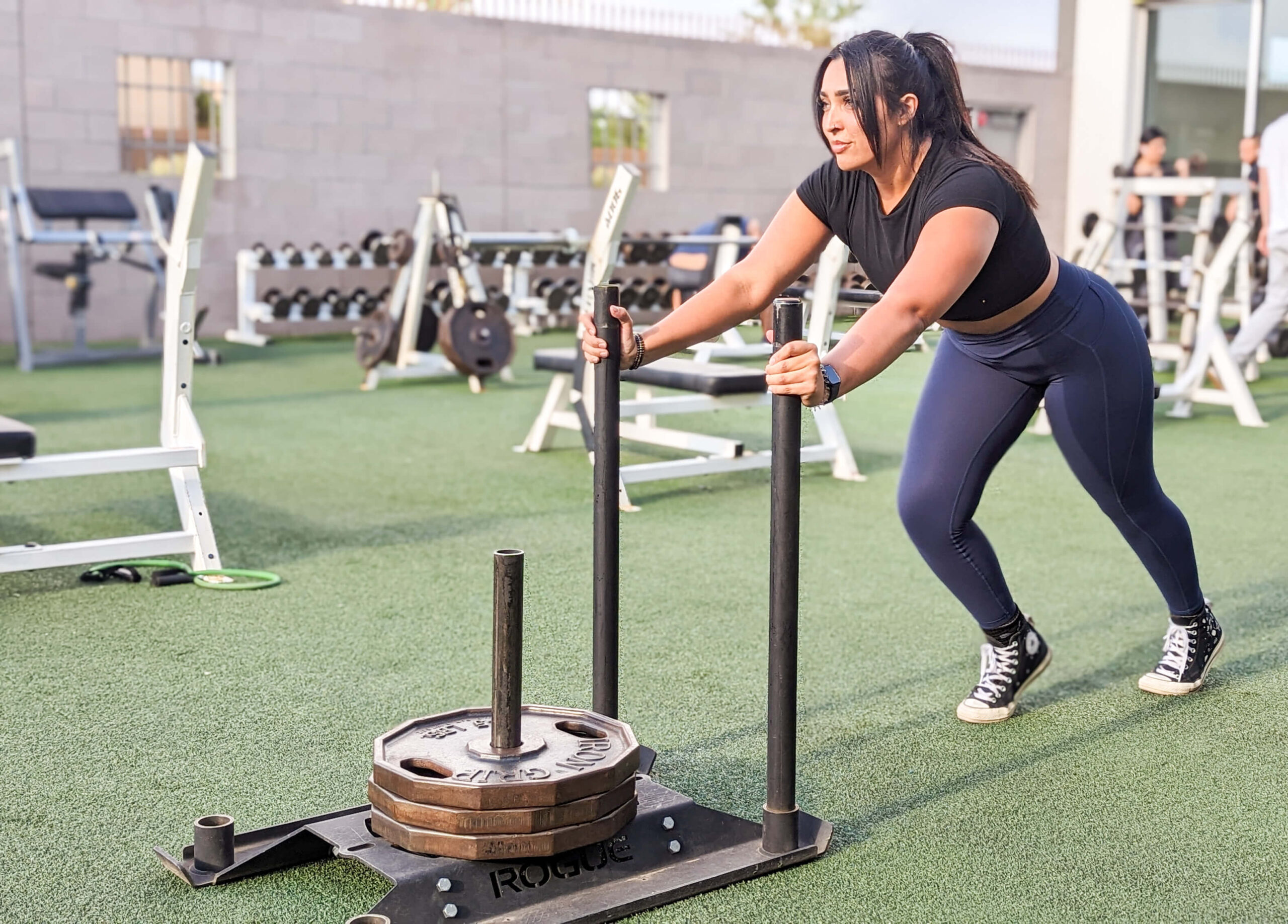
Strength training for marathon runners is one of the most reliable ways to increase your overall performance and endurance as mileage climbs. For example, strength training can support muscles and connective tissues that absorb repetitive impact. It also helps you hold cleaner mechanics when fatigue shows up, and it can improve running economy, so each stride costs less energy.
For most runners, two strength sessions per week is the sweet spot through most of a marathon training plan. As race day gets closer and weekly miles peak, keep lifting on the calendar. Make those sessions lighter and more maintenance-focused so your legs stay fresh for key runs.
How often should marathon runners strength train?
-
Most runners
2 days per week during most of a marathon training plan
-
More experienced runners
2 to 3 days per week during base and early build phases, as long as recovery stays solid
Target muscles to prioritize for marathon runners
- Glutes and hips for stability and stride control
- Hamstrings for posterior-chain support and late-run mechanics
- Quads for fatigue resistance
- Calves and ankles for push-off strength and durability
- Core for posture and pelvic control
- Upper back for upright form and arm drive
Gym exercises that pair well with marathon training
- Squat pattern options, such as goblet squat, front squat, and leg press
- Hinge pattern options, such as Romanian deadlift, deadlift, and cable pull-through
- Single-leg strength options, such as split squat, step-ups, and single-leg deadlift
- Glute-focused strength, such as hip thrust and glute bridge
- Hamstring isolation, such as the hamstring curl
- Lower-leg strength, such as calf raises and tibialis raises
- Hip stability work, such as lateral band walks and clamshells
- Core stability work, such as plank, side plank, dead bug, and Pallof press
- Upper-back support, such as rows and lat pulldown
- Carry work, such as farmer carry
3. Use The Treadmill to Improve Pace, Stamina, and Incline Strength
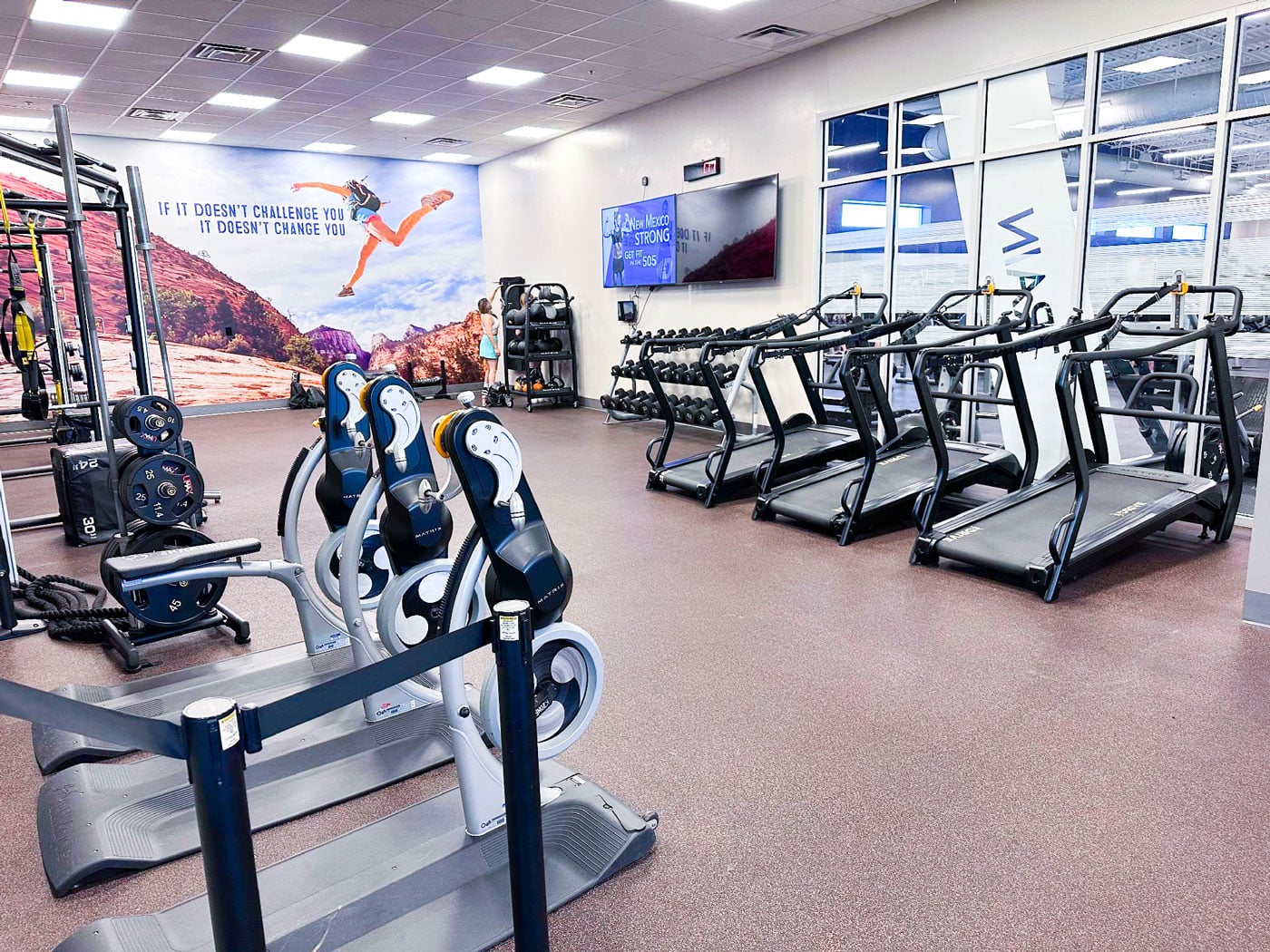
Treadmill marathon training works best when you use it for pace control and repeatable effort. The treadmill also makes quality sessions easier to execute on days when wind, traffic, inclement weather, or uneven terrain make pacing messy.
Here are three treadmill sessions that translate well to outdoor running:
-
Marathon-Pace Intervals
Warm up easily before running several steady blocks at your planned marathon effort with easy jogging between. This approach teaches pacing without the guesswork.
-
Tempo Progression Run
Start easy and gradually increase effort until the final section feels comfortably hard. This workout builds stamina without turning every week into a test.
-
Incline Strength Builder
Use short uphill repeats or steady incline walking after an easy run. This is a simple way to build leg strength while keeping impact manageable.
4. If Possible, Use the Gym to Continue Training After a Minor Training
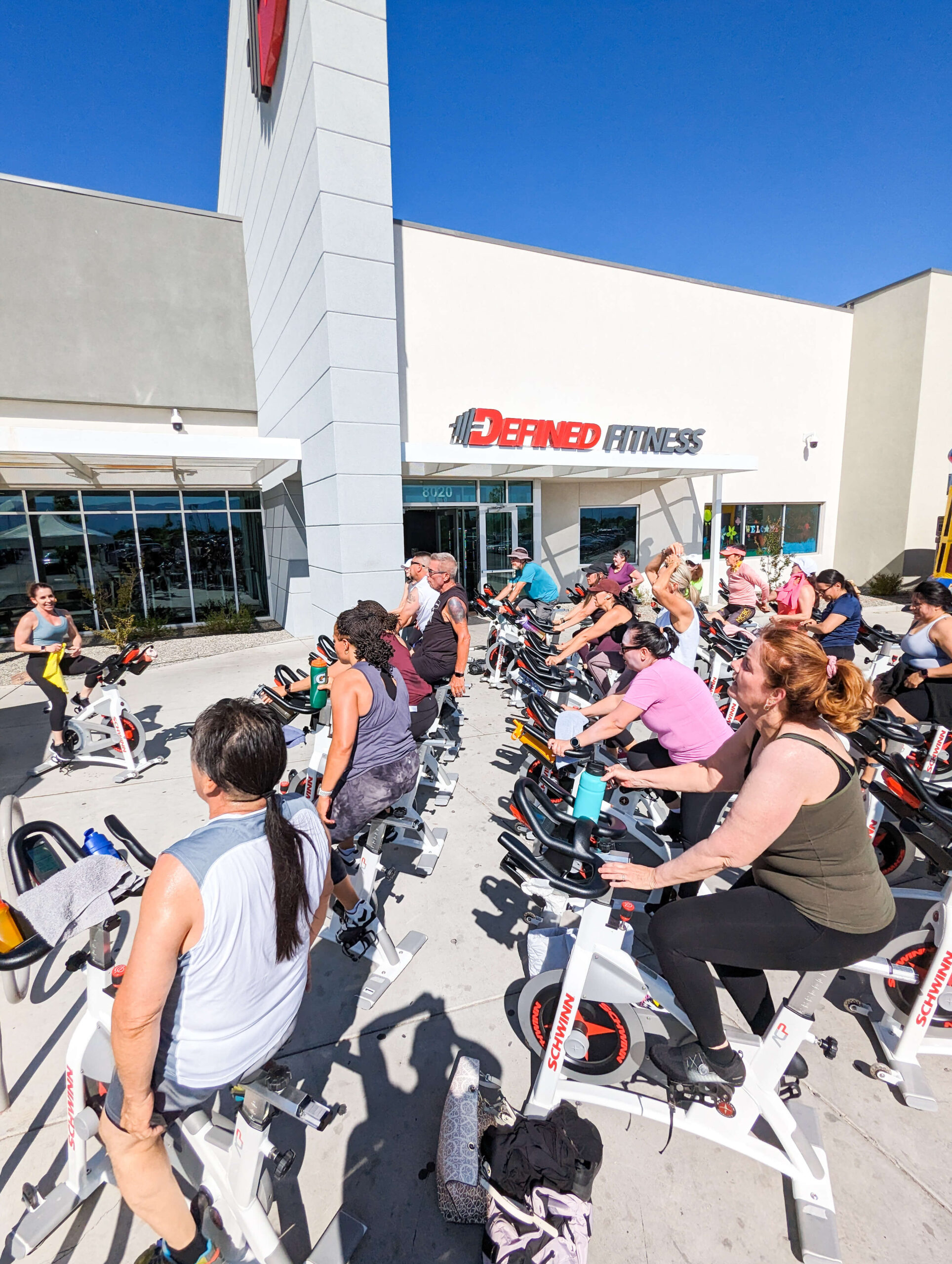
Marathon training rewards consistency, and the gym can help you stay consistent when your body asks for a lighter approach after a minor injury.
If it’s safe to continue training after the injury but you need to avoid running for a little bit, the gym has plenty of low-impact options to help you keep training. For example, stationary bikes, ellipticals, pool workouts, or incline walks can all keep your aerobic fitness moving forward while reducing pounding. Those choices can protect your routine, which makes it easier to return to running with confidence.
Use a simple guideline. If a run changes your form or feels sharp and specific, choose a low-impact workout that matches the effort you planned. Your heart and lungs still get the training stimulus, and your legs get a break that supports your next strong run.
5. Treat Recovery Like a Training Day
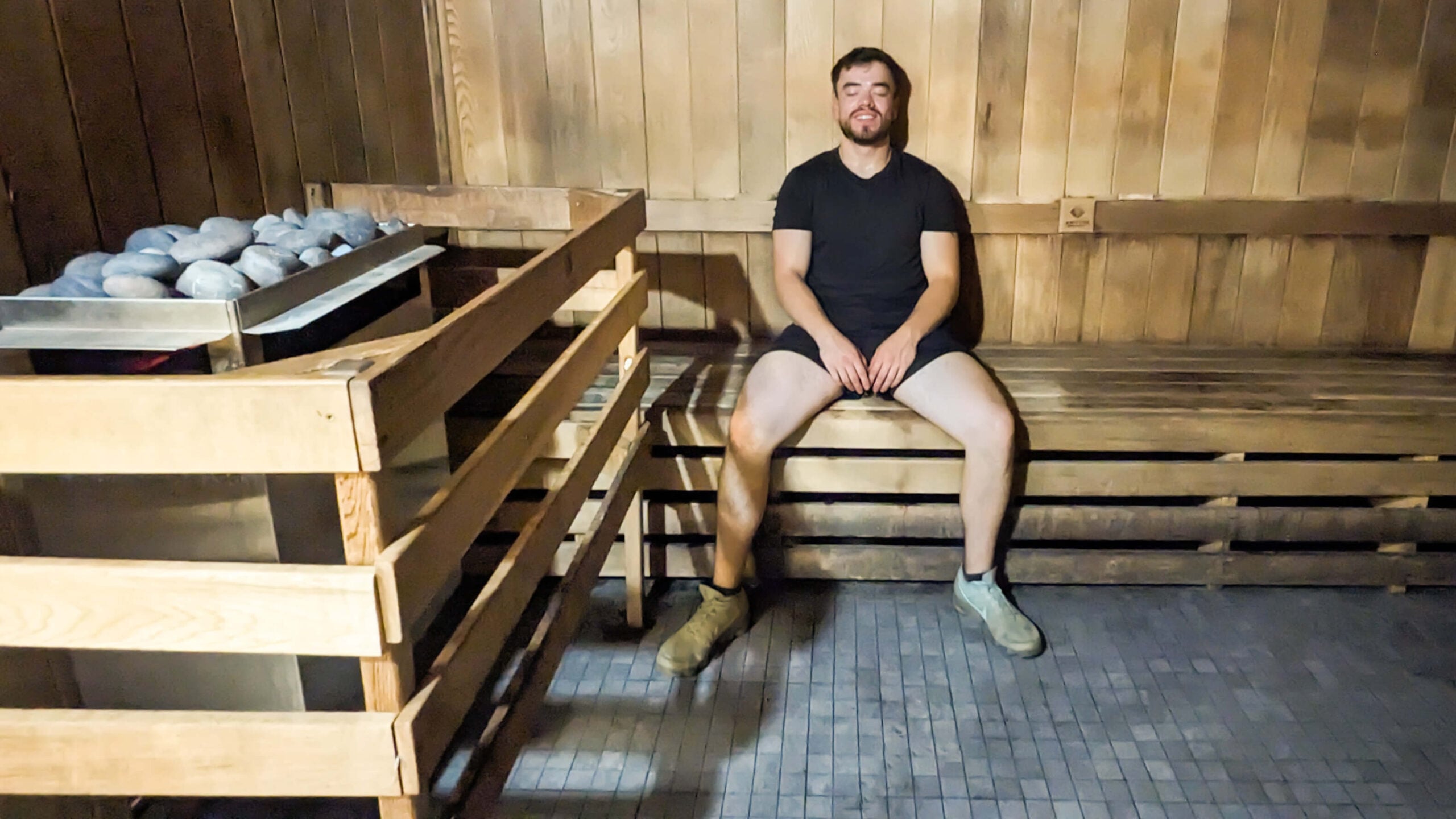
Marathon training creates stress on purpose. Fitness gains show up when you recover from that stress, so recovery deserves a spot on your marathon training schedule just like your long run and quality run.
A gym can help here, especially if it offers recovery-friendly amenities. Look for a facility with options like these, since they can make it easier to bounce back between hard efforts:
- Pool access: Swim easy laps or do a light water workout for low-impact aerobic work.
- Hot tub: Use short sessions to relax tight legs after long runs.
- Sauna or steam room: Keep it brief, hydrate well, and use it as a simple reset after a tough week.
- HydroMassage or massage chairs: Use these options for sore spots that feel tight from mileage.
- Yoga or mobility-focused classes: Add a weekly session to keep hips, ankles, and back feeling more comfortable.
Use those tools to support the basics that matter most, such as consistent sleep, easy days that stay easy, and a recovery routine you can repeat.
How to Choose Between 16, 18, and 20-Week Beginner Marathon Training Plans
The best marathon training plan is the one you can follow consistently. Review three sample marathon training plans to see which one might be best for you:
-
16-Week Marathon Training Plan
A 16-week marathon training plan is suitable for runners with a solid base who want a focused build. If you run three to four days per week now, and your easy runs feel comfortable, a 16-week plan is likely ideal.
-
18-Week Marathon Training Plan
An 18-week marathon training plan is a popular choice for first-time marathoners because it adds flexibility while still moving forward each week. This timeline gives you time to acclimate to altitude training, build long-run comfort, and practice steady pacing that matches a fast, runnable course.
-
20-Week Marathon Training Plan
A 20-week marathon training plan gives you the most gradual progression. If you’re newer to running, you’re using a run-walk approach, or you want extra runway for adaptation and recovery, you’ll likely get the most out of a 20-week plan.
FAQs
What Other New Mexico Races Can I Train For With This Marathon Training Plan?
If the Albuquerque marathon doesn’t work for your schedule or you simply want other marathons to train for, check out some other popular New Mexico marathons:
- Duke City Marathon: This fall race in Albuquerque rewards steady pacing and smart fueling. Since this race is also in Albuquerque, your training for the Duke City Marathon should account for the altitude.
- Shiprock Marathon: This spring event offers a memorable desert setting and a straightforward road-race feel, so Shiprock Marathon training tends to center on building steady endurance.
- Run for the Zoo: A half-marathon is a great stepping stone if you want a shorter goal while building long-run confidence. Due to its length, training for the Run for the Zoo half-marathon can be more approachable to newcomers.
How Long Does It Take to Train for a Marathon?
Most first-timers build their marathon fitness over 16 to 20 weeks, especially when they follow a marathon training schedule that progresses gradually and supports recovery.
If you’re starting from scratch, give yourself a little extra runway. A longer plan helps you build consistency, increase long-run comfort, and keep training feeling sustainable.
Can I Train for a Marathon on a Treadmill?
Yes, treadmill marathon training can prepare you well, especially for pace-focused workouts. Your best results come from mixing treadmill structure with outdoor long runs.
Use the treadmill for tempo runs, intervals, and marathon-pace practice. Use outdoor runs to practice fueling, hydration, and the mental rhythm of longer efforts.
How Many Days a Week Should I Lift While Marathon Training?
Two strength sessions per week work well for many marathon runners, especially when you keep the long run and one quality run as your weekly priorities.
Place strength training on days that won’t interfere with your long run. Many runners prefer lifting on the same days as harder runs, then keeping easy days truly easy.
What Should I Eat During Long Runs?
Long runs are the time to practice simple fuel and hydration habits you can repeat on race day. Easy-to-digest carbs and steady fluids help long-run miles feel smooth.
Start practicing early, then keep your approach consistent. The goal is finding what feels comfortable, then sticking with it.
How Do I Adjust Pacing at Altitude?
Effort-based pacing works best at altitude, so let breathing and comfort guide you. Easy runs should feel genuinely easy, even if the pace looks slower than expected.
As your fitness grows, your pace often improves naturally. Consistent training, smart recovery, and steady long runs do a lot of the work.
Train for the Albuquerque Marathon at Defined Fitness
If you’re looking for a gym where you can train for a marathon in Albuquerque or the surrounding area, Defined Fitness is ready to welcome you to one of our gyms. With a wide selection of free weights, exercise machines, and cardio equipment, you can easily stick to your training plan. Our clubs also include a number of recovery amenities, such as HydroMassages, steam rooms, lap pools, and mobility-focused classes.
Review our membership options today. If you’d like expert assistance as you prepare for your next marathon, one of our personal trainers will be happy to help you.