

Key Takeaways
- A superset workout pairs two exercises together with little to no rest between doing them both, helping you complete more work in less time.
- Superset exercises are beneficial because they provide workout flexibility, improve workout efficiency, increase routine variety, create a more engaged workout pace, and support strength and muscle-building goals.
- Common superset types include antagonist, agonist, pre-exhaust, and post-exhaust variations. Each type changes which muscles you work and how hard they work during a set.
- Supersets, compound sets, drop sets, and circuits each work differently. The main differences come down to how many exercises you do in a row, which muscle groups you target, and whether you change the weight mid-set.
- Good supersets depend on choosing exercises that work well together, using proper form on both movements, keeping your equipment nearby, and giving yourself enough recovery time between sets.
If your workouts feel overly long, supersets are worth understanding. The technique pairs two exercises together with little to no rest between them, which means you’re working more and waiting less.
That efficiency is why supersets show up in so many training programs. They’re flexible enough to work for beginners and experienced lifters alike, and easy to adjust as your goals change.
How Does a Superset Workout Work?
A superset workout is designed to increase training density, which simply means completing more work during the time you already spend in the gym. By linking exercises together, you can fit more meaningful training into a single workout without significantly extending its length.
Research has shown that superset training can help people complete the same amount of work in significantly less time than traditional weightlifting. One study found that participants finished an equivalent workout in roughly 24 minutes with supersets compared to 42 minutes using a traditional structure. Many people also enjoy the pace supersets create, since moving from one exercise to the next keeps the workout feeling active rather than stop-and-go.
Benefits of Superset Exercises
Superset exercises offer several advantages that make them appealing for many gym-goers.
Five top benefits include:
-
You spend less time waiting and more time working.
-
Pairing different exercises keeps your routine from feeling stale.
-
Moving from one exercise to the next helps you stay focused and in the zone.
-
You can fit more work into the same amount of gym time.
-
Supersets work whether your goal is building strength, adding muscle, or just staying active.
Many lifters enjoy supersets workouts because they can be adjusted to fit different experience levels. As your confidence grows, you can experiment with new exercise combinations and training styles while continuing to work toward overall fitness goals.
Common Types of Supersets
There are several ways to structure a superset workout depending on your training goals.
Antagonist Supersets
Antagonist supersets pair opposing muscle groups, such as chest and back, biceps and triceps, or quadriceps and hamstrings.
This option is often the most popular superset variation because one muscle group can work while the opposing muscle group recovers, keeping the superset workout challenging yet balanced.
Agonist Supersets
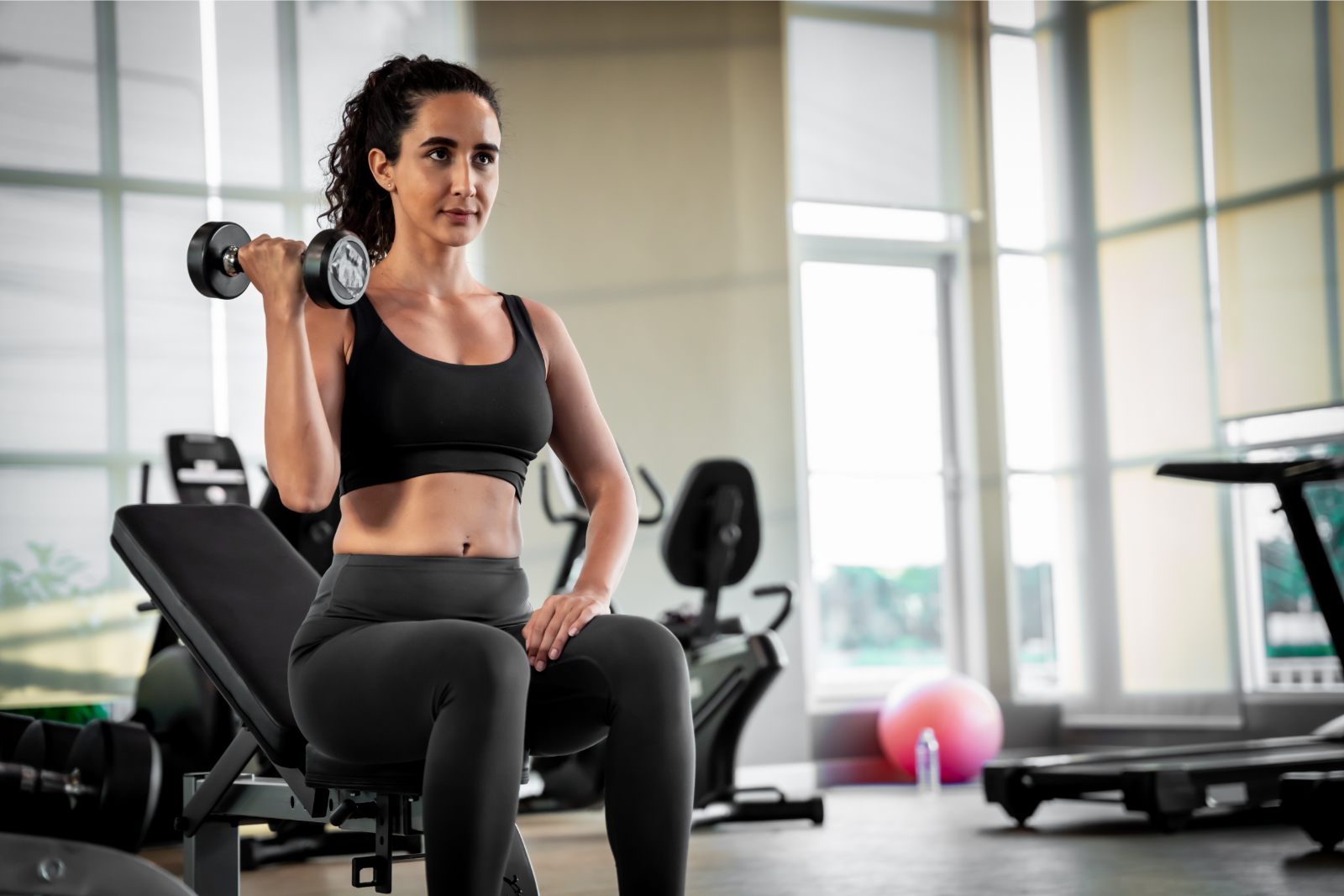
Agonist supersets target the same primary muscle group with two exercises performed consecutively. This approach increases the amount of work a specific muscle performs within a short period of time.
Common examples include:
- Chest: Bench press followed by push-ups
- Shoulders: Shoulder press followed by lateral raises
- Quadriceps: Squats followed by leg extensions
Pre-Exhaust and Post-Exhaust Supersets
Pre-exhaust and post-exhaust supersets both combine an isolation exercise with a compound exercise. The difference is the order.
A pre-exhaust superset fatigues a specific muscle with an isolation move before hitting it again with a compound exercise. For example, you might do leg extensions to tire out your quads, then go straight into squats.
A post-exhaust superset flips that sequence. You start with the compound movement and finish with the isolation exercise. Squats first, then leg extensions.
Both approaches are a way to increase the demand on a specific muscle within a single superset.
Supersets vs Compound Sets vs Drop Sets vs Circuit Exercises
Superset vs Compound Set Workout
The distinction between a superset and a compound set often causes confusion.
- A traditional superset typically combines exercises for different or opposing muscle groups. For example, performing bicep curls followed by tricep pushdowns would be considered a superset.
- A compound set involves two exercises for the same muscle group performed back-to-back. A bench press immediately followed by push-ups would be a compound set because both exercises primarily target the chest.
Drop Set vs Superset Exercises
The key difference in this comparison is what changes between sets.
- With a drop set, the exercise stays the same while the weight changes. For example, you might complete a set of shoulder presses with 30-pound dumbbells, immediately switch to 20-pound dumbbells, and continue performing shoulder presses.
- With a superset, the exercise itself changes. You might perform shoulder presses and then move directly into lateral raises before resting.
Superset vs Circuit Training
When comparing supersets and circuit training, the biggest difference is the number of exercises performed in sequence.
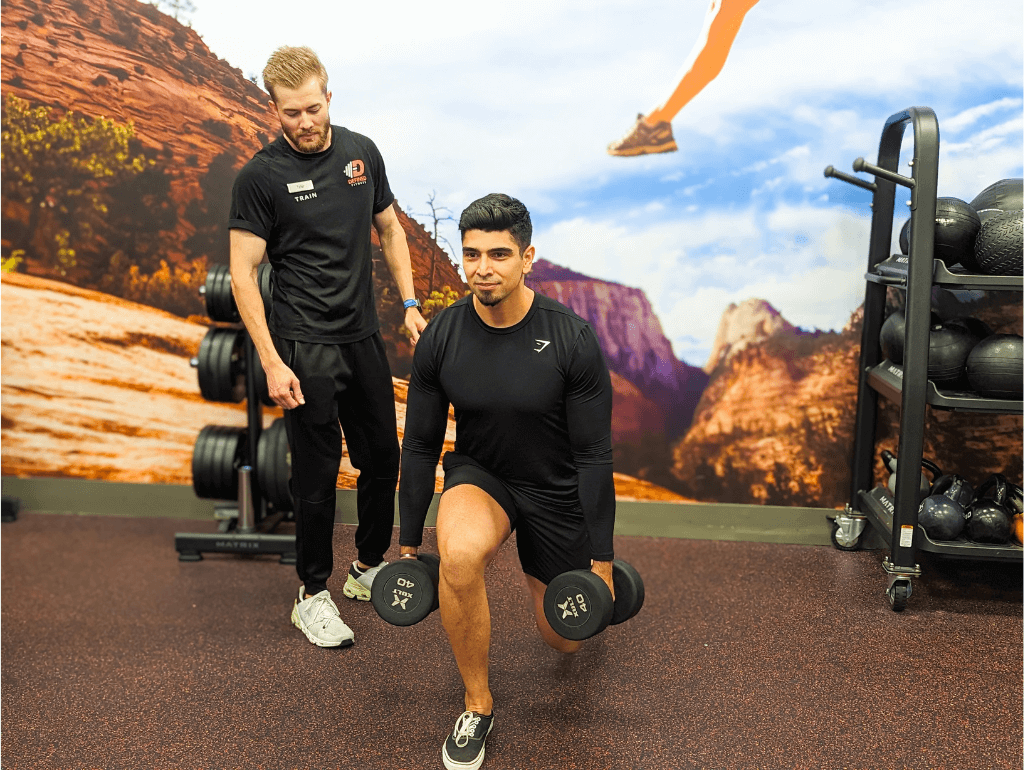
- A superset usually consists of two exercises. For example, a lifter may perform pull-ups immediately followed by walking lunges before resting.
- A circuit often includes three or more exercises, all performed consecutively. For example, one circuit might consist of completing push-ups, bodyweight squats, dumbbell rows, mountain climbers, and planks before resting or taking a recovery period.
Think of it this way: Circuits are often used for full-body conditioning, while supersets are commonly used to improve efficiency within a more specific strength-training workout.
5 Tips for Successful Superset Workouts
A few simple strategies can help you get the most from your training:
- Start with complementary exercise pairings, such as chest and back or biceps and triceps, to make transitions feel more natural.
- Prioritize proper form on both exercises. Good technique should always come before increasing weight or intensity.
- Choose equipment that is located reasonably close together, especially during busy gym hours, to keep your workout flowing smoothly.
- Match your exercise selections to your goals so you stay focused on building strength, muscle, or improving your general fitness.
- Give your body adequate recovery between workouts so you can continue training consistently and performing at your best.
Many people find that supersets fit naturally into structured training plans, including a structured pull-day routine. This creates balanced workouts that support long-term progress and consistency.
Double Up on Your Progress at Defined Fitness
A great superset is all about pairing the right exercises together. The same idea applies to your fitness journey. When motivation, consistency, and a supportive gym environment come together, meaningful progress becomes much easier to achieve.
Defined Fitness offers expansive free weight areas, high-quality equipment, and plenty of space to put new techniques into practice. Check out our free 3-day trial pass to experience the #1 gym in New Mexico for yourself!