
Key Takeaways
- Lower air pressure at Albuquerque elevation means each breath delivers less oxygen, which is why even familiar workouts take more effort.
- Albuquerque sits at an average elevation of 5,312 feet, with neighborhoods ranging from about 4,900 feet near the Rio Grande to over 6,700 feet in the eastern foothills.
- At this elevation, you're breathing air with roughly 15 to 17 percent less oxygen than at sea level, enough to lower aerobic capacity (VO2 max) by an estimated 8 to 10 percent for a well-conditioned athlete.
- Interval and threshold paces typically run about 8 to 10 seconds per mile slower here than they would at sea level, even when your effort feels identical.
- Most people notice meaningful acclimatization within 3 to 5 days, though full physiological adaptation continues over several weeks to months.
You finish your first easy jog or group class after moving to Albuquerque, and it feels harder than it should. Your legs feel fine, but your lungs are working overtime. If this sounds familiar, your fitness likely hasn’t changed. The air here carries less oxygen than your body is used to, and understanding why starts with a look at Albuquerque’s elevation itself.
What Is Albuquerque's Elevation, and Is It Considered High Altitude?
Albuquerque’s average elevation is 5,312 feet above sea level, generally classified as moderate altitude.
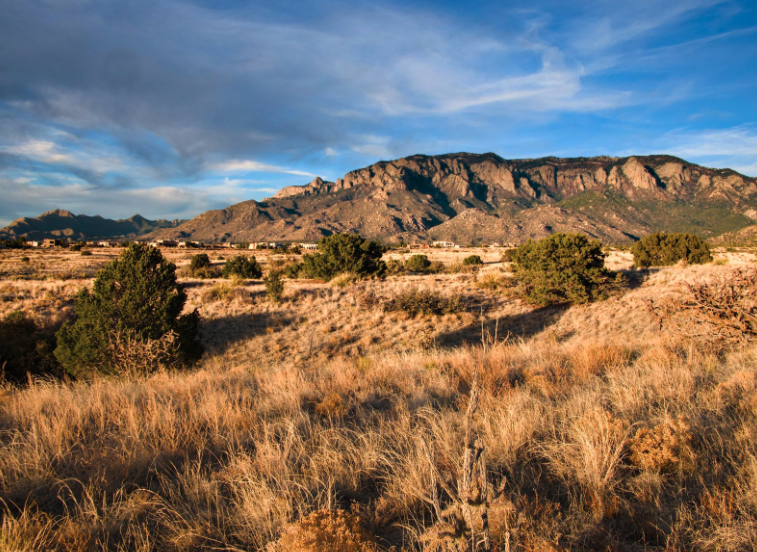
True altitude sickness, the kind that causes serious symptoms, is rare below 8,000 feet. Albuquerque altitude falls well under that mark, at an elevation of 5,312 feet on average, though terrain varies significantly, from around 4,900 feet near the Rio Grande to more than 6,700 feet in neighborhoods closer to the Sandia foothills.
Unlike true high altitude training destinations above 8,000 feet, which typically demand a careful, staged approach before hard training resumes, Albuquerque’s moderate elevation lets you keep training close to normal from the start.
You’re unlikely to develop classic altitude illness just by living or training here. What you will notice is less oxygen per breath, a higher heart rate at a given pace, and a training adjustment period worth planning for.
Why Is It Harder to Breathe at Albuquerque Elevation?
Lower air pressure means each breath delivers less oxygen to your blood, so your heart and lungs work harder to compensate.
At Albuquerque’s elevation, that means roughly 17 percent less oxygen per breath than at sea level, based on the standard estimate that oxygen availability drops about 3 percent for every 1,000 feet of elevation gain. Your body compensates by breathing faster within the first 24 to 48 hours of exposure.
VO2 max, the body’s ceiling for aerobic capacity, declines by about 6 percent per 1,000 meters of elevation gain in endurance-trained athletes. At Albuquerque’s roughly 1,600-meter elevation, that works out to about 8 to 10 percent lower aerobic capacity for a well-conditioned athlete, with less-trained people typically seeing a smaller effect, since they have less aerobic capacity to lose.
The impact is mostly aerobic, though. Strength, power, and short bursts of speed stay largely unaffected by altitude as long as muscle mass holds steady, so a lifting session or sprint intervals won’t feel dramatically different here, unlike dedicated hypoxic training at higher elevations.
4 Ways Albuquerque's Elevation Changes Your Training
1. Your Pace Will Feel Slower
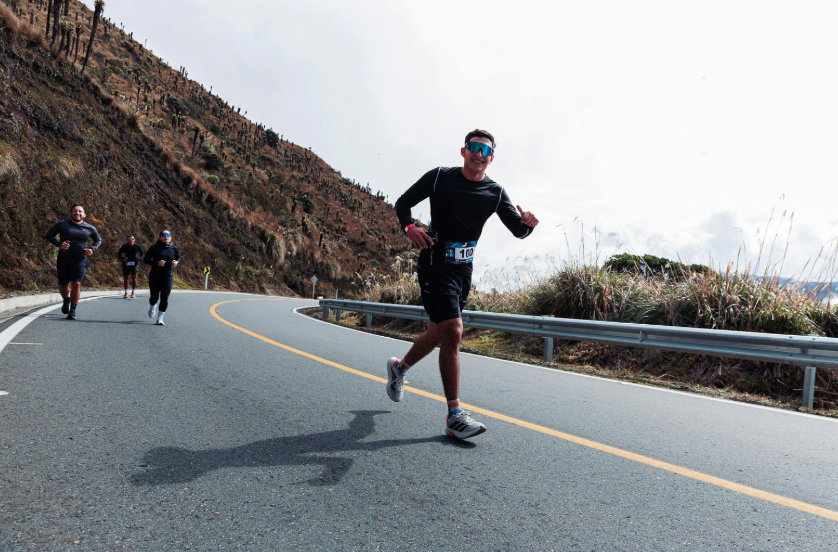
Altitude running is where this shows up most clearly. A pace that used to feel easy now takes noticeably more effort, whether you’re running, rowing, or cycling. At this elevation, interval and threshold paces run about 8 to 10 seconds per mile slower than at sea level.
If you’re hiking the Sandia foothills, elevation gain adds another layer on top of the city’s baseline, since trailheads there climb well above the city floor.
Push higher toward Sandia Crest, above 10,000 feet, and you’ve crossed into genuine high altitude. Training at high altitude like that calls for its own precautions, so it’s worth knowing how to prepare for high altitude before you go, since the effects run well beyond anything you’ll feel at the gym.
2. Your Heart Rate Runs Higher for the Same Effort
The connection between altitude and heart rate comes down to oxygen delivery. Your body needs more breaths and more circulation to move the same amount of oxygen, so your heart rate climbs faster during exercise than it would at sea level.
A pace or resistance level that used to sit comfortably in your target zone might now push you higher than expected. If your training relies on zone 2 cardio, expect that same effort to correspond to a slower pace here than it would at sea level.
| Factor | Sea Level | Albuquerque Elevation (~5,312 ft) |
|---|---|---|
| Interval/threshold pace at the same effort | Baseline | About 8–10 seconds/mile slower |
| Oxygen available per breath | Baseline | About 17% less |
| Heart rate at a fixed pace | Baseline | Noticeably higher |
| Recovery between hard sessions | Baseline | Slightly longer, especially the first two weeks |
3. Recovery Takes a Little Longer
While your body adjusts, it’s also managing changes in fluid balance and red blood cell production behind the scenes. This extra workload means recovery between harder sessions can stretch out during your first couple of weeks. Building in an extra rest day or swapping a hard session for something lighter supports that adjustment.
4. Your Hydration Needs Increase
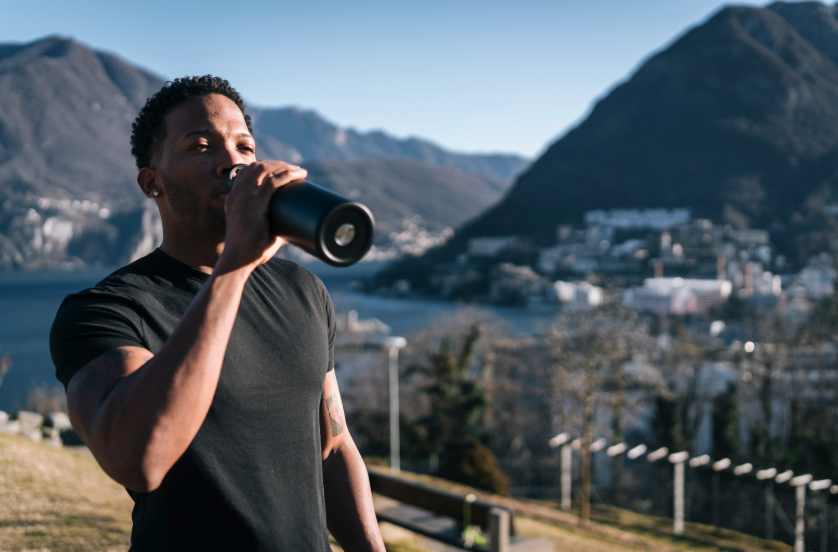
Albuquerque’s dry, high-desert air pulls moisture from your body faster than you’d notice at sea level, and the faster breathing rate that comes with elevation adds to fluid loss through respiration alone.
Combined with the demands of training in Albuquerque’s heat, dehydration becomes an easy trap for anyone who isn’t drinking more than their sea-level habit.
How Long to Acclimate to Altitude?
Most people adjust to Albuquerque’s elevation within 3 to 5 days, according to the CDC, though full acclimatization continues well beyond that initial window.
This early window is when your breathing rate and circulation adjust most. Full adaptation, including the more gradual changes in blood chemistry like increased red blood cell production, plays out over weeks to months rather than settling after a fixed number of days. If you’re new to Albuquerque or coming back from time away, expect that first week of training to feel harder than it will a month from now.
How to Prepare for Training at Elevation
Even though symptoms are uncommon at Albuquerque’s elevation, you should still know how to prep for training at elevation, especially if you plan to exercise in the Sandia Mountains. Knowing how to not get altitude sickness comes down to a few consistent habits:
- Hydrate before you feel thirsty: Drink water consistently throughout the day, since the dry air and elevated breathing rate increase fluid loss whether or not you're working out.
- Scale back intensity for the first week: Lower your usual pace, weight, or class intensity slightly while your body adjusts, and build back up as it feels easier.
- Prioritize sleep and light meals: Your body is doing extra work to adjust, and rest supports that process more than pushing through fatigue does.
- Skip alcohol for the first few days: Alcohol worsens dehydration and can mask early symptoms of poor acclimatization.
Symptom Awareness: When to See a Doctor
Mild headache, fatigue, or shortness of breath during exertion are common in the first few days and usually fade with rest and hydration. Since true altitude sickness is uncommon here, these are more often signs of dehydration or overdoing the intensity.
Seek medical attention for a severe or worsening headache, confusion, chest tightness, or shortness of breath that doesn’t improve with rest. These symptoms are rare here, but worth taking seriously if they show up.
Train for the Elevation With Defined Fitness
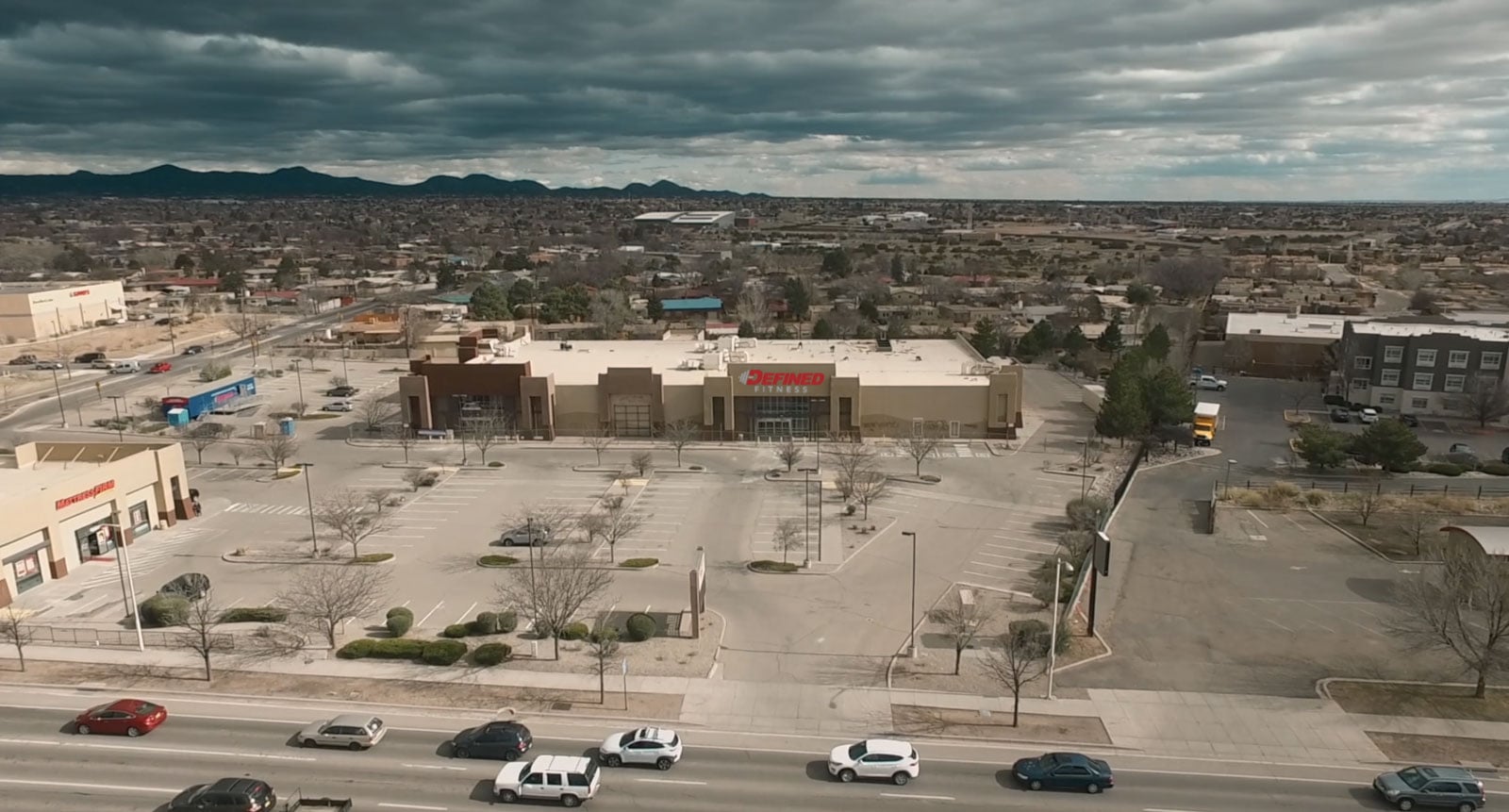
If you’re looking for a gym in Albuquerque, Santa Fe, Rio Rancho, or Farmington, Defined Fitness has helped New Mexicans train for a variety of challenges for 38+ years, altitude included. Our cardio equipment displays real-time heart rate, so you can confirm you’re in the right zone even when the number runs higher than you’re used to here. HydroMassage lounges support the longer recovery your body needs those first couple weeks, and a trainer can build your acclimatization plan around your specific goals.
Defined Fitness’s personal trainers can help you build an altitude training plan around your goals from day one. If you’re ready to see how it feels to train with support, start with a free trial at a location near you.